

Nobody ever fell in love with a career reading a PDF.
Some organisations are easy to explain. Yours probably isn't: multiple sites, technical roles with unglamorous titles, specialist routes nobody outside the department understands, and brilliant careers hiding behind job descriptions that don't do them justice.
CareerPaths builds interactive tools that let people explore your organisation instead of reading about it.
The best careers are often the hardest to see.
A sixteen-year-old deciding what to study will never discover your process engineering pathway from a vacancy listing. An employee in customer service won't realise her skills transfer to supply chain planning because no document told her so.
The opportunity is real; the explanation is failing. Interactive tools fix the explanation — by making it something people do rather than something they read.



The Technical Services Career Navigator.
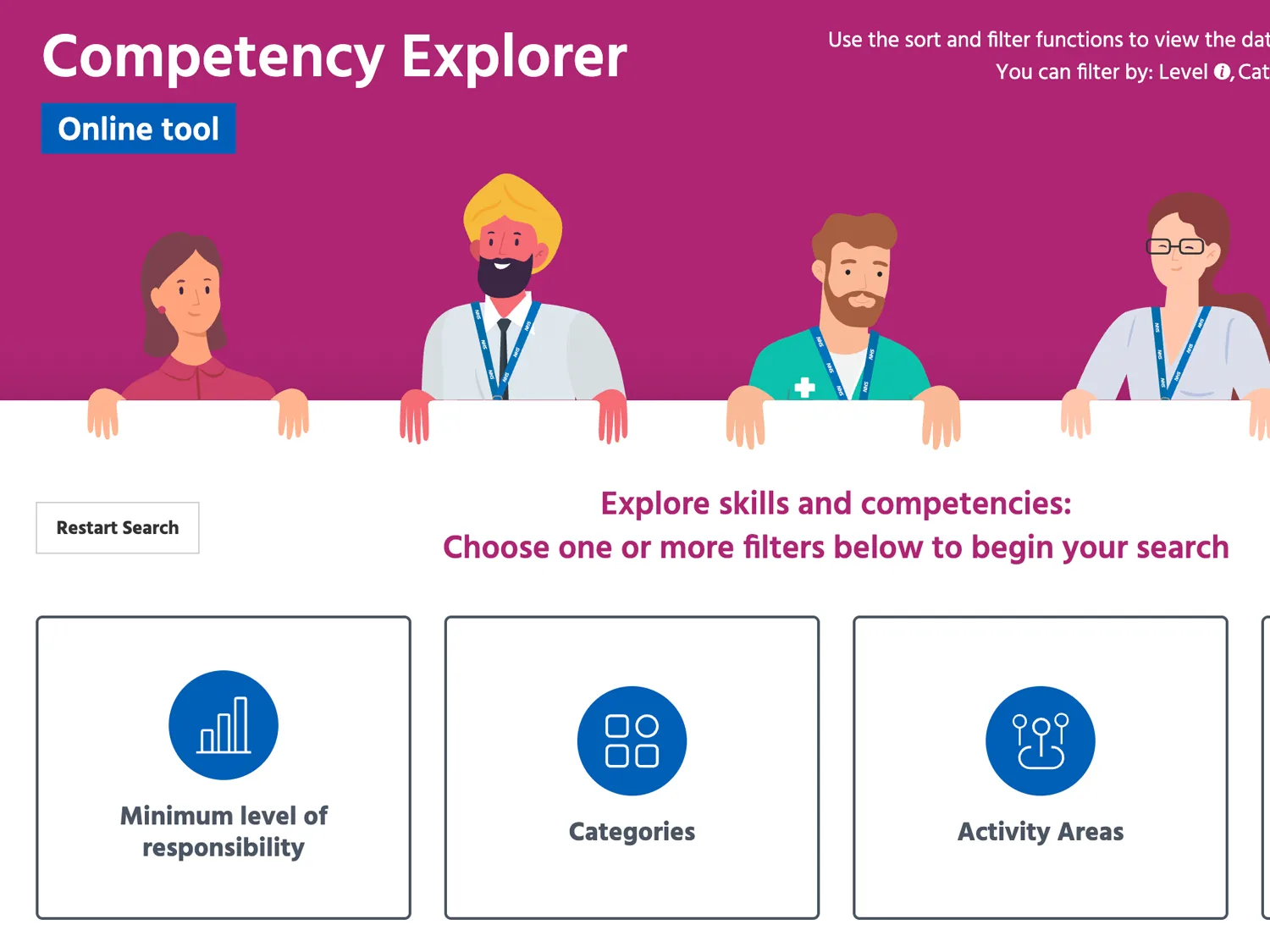
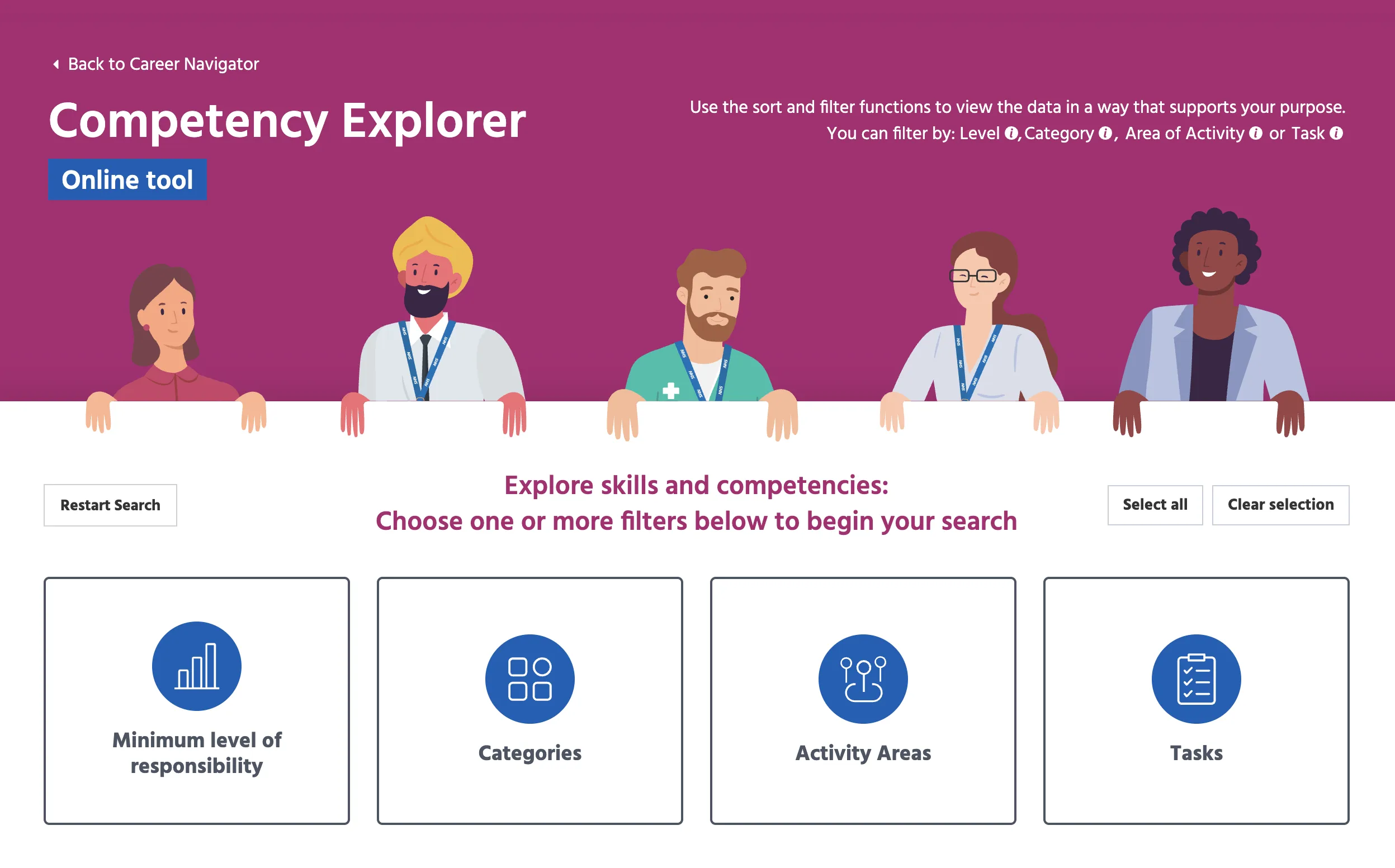
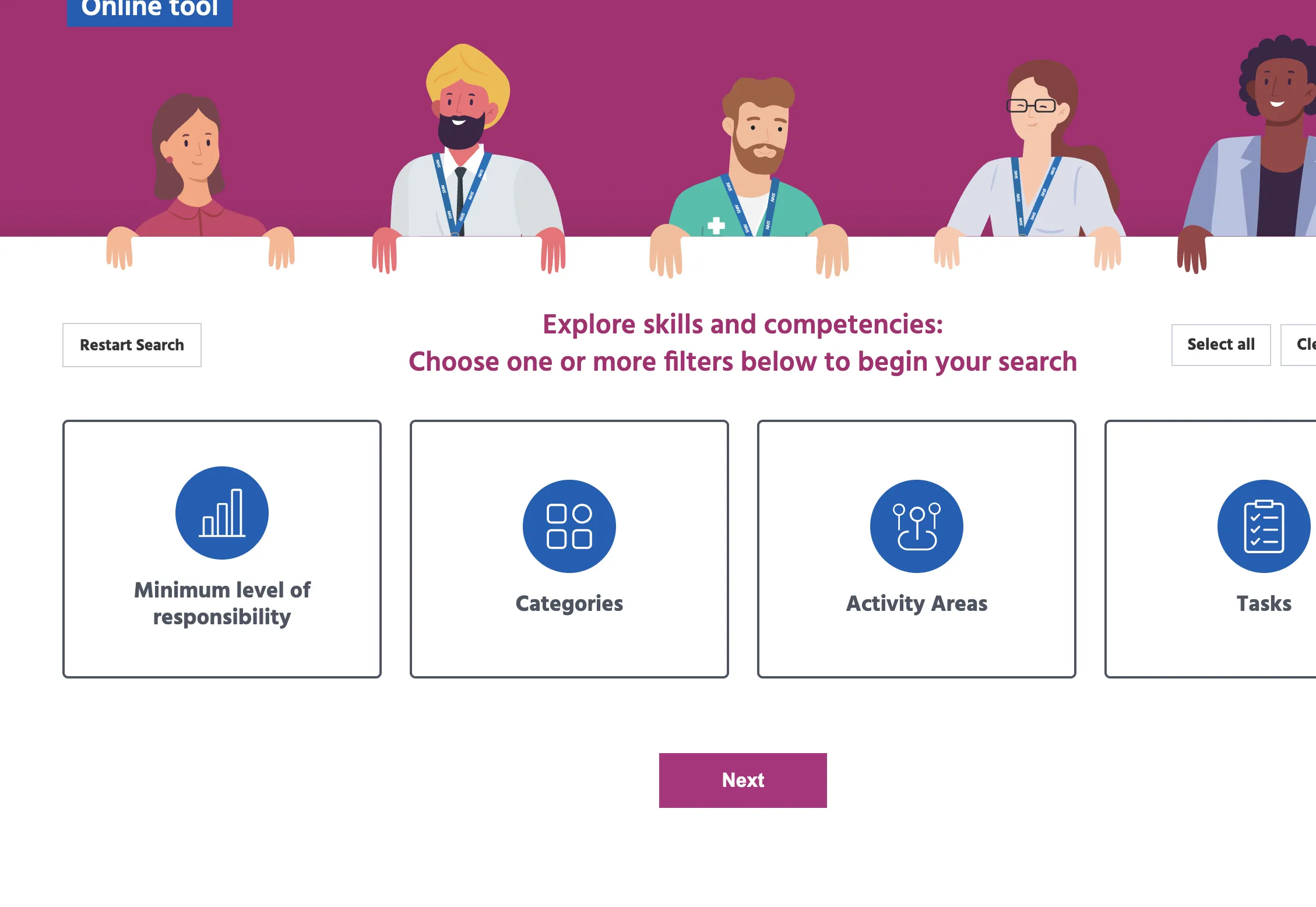
Two interconnected views of an entire sector. Explore Careers shows roles and the pathways between them. Explore Skills shows the competencies behind those roles and how they develop.
Built for NHS England as part of Pharmacy Careers — a national resource used by people deciding whether a career in pharmacy technical services is for them, and by those already in it working out what comes next.
Ways to make careers explorable.
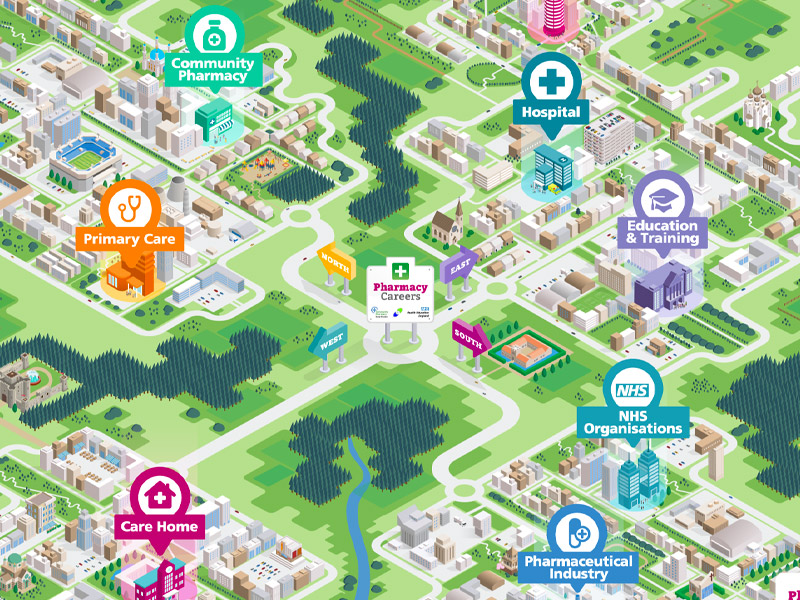
Turn the whole organisation into a clickable landscape.
Role families, entry points, and upward, sideways and cross-functional routes. Every role opens its profile, skills, stories and live vacancies.
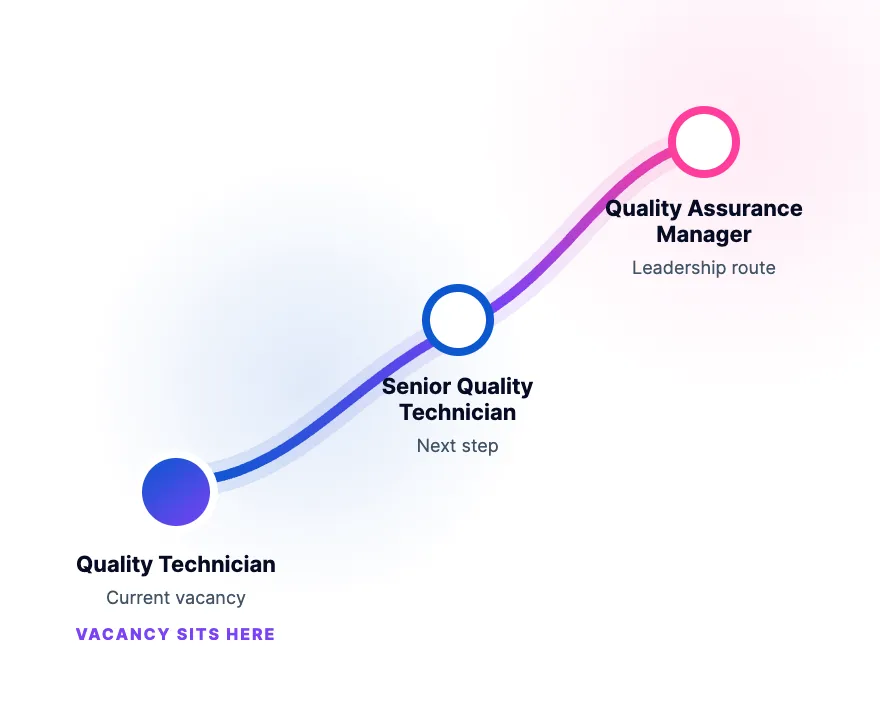
Show every direction a career can move.
Adjacent, diagonal, specialist and leadership moves — plus the transferable skills that make each one realistic.
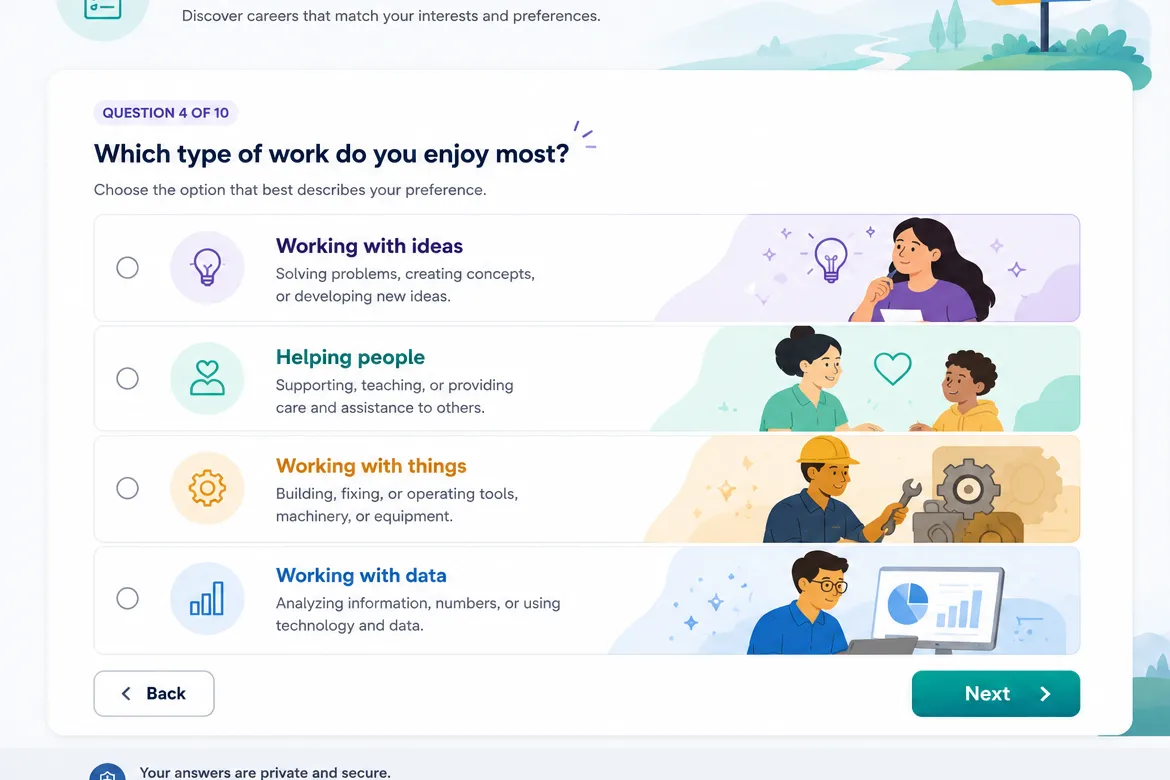
Answer “what might suit me?” interactively.
Match interests and strengths to departments, pathways, resources and relevant live vacancies.
Put hard-to-explain roles back into context.
Explore a production line, ward, depot or lab and reveal the people inside it — ideal for manufacturing, healthcare, logistics, energy and public services.

What each role requires
At what level, and how somebody develops towards it.
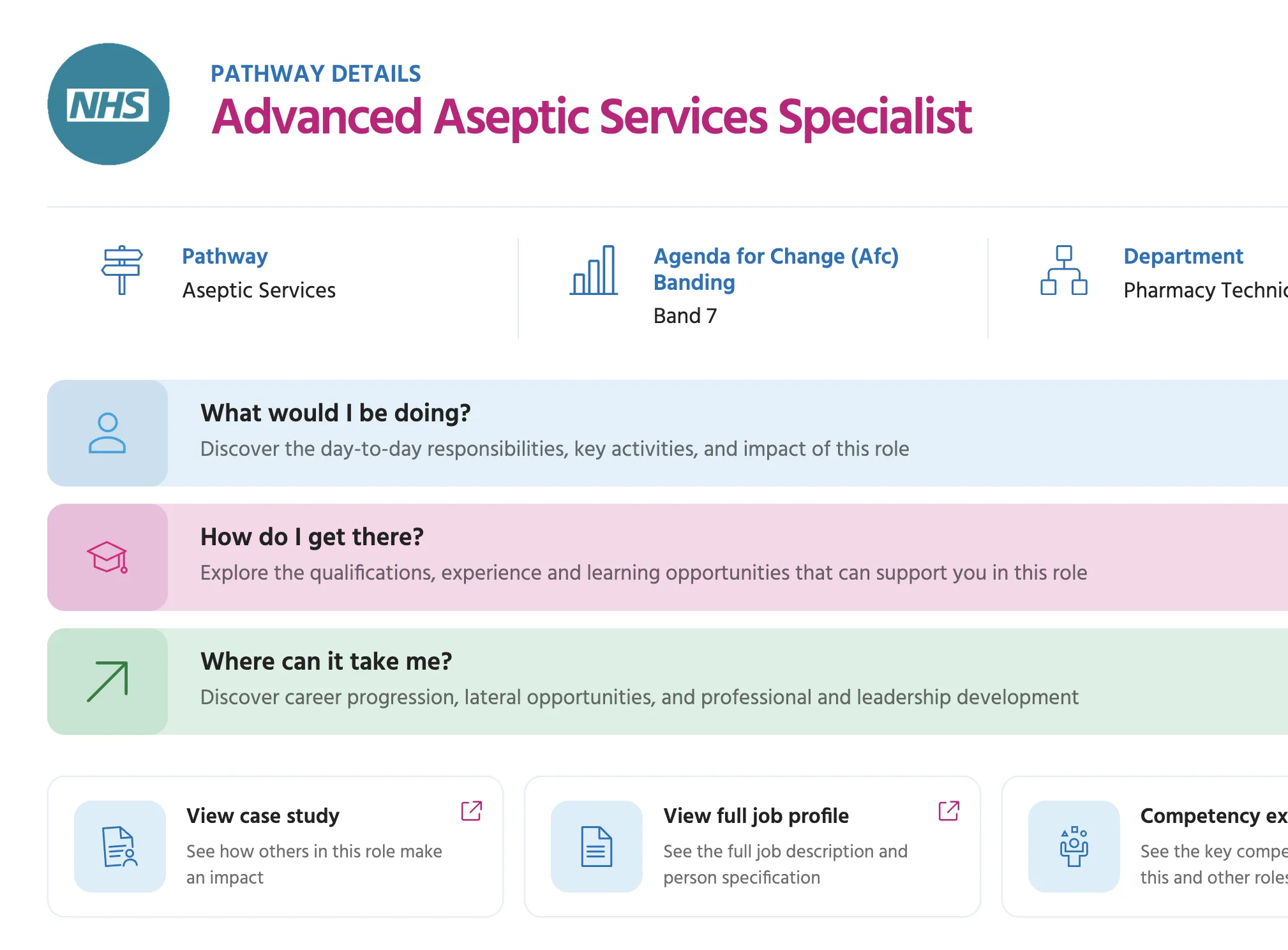
Earnings, entry routes, training time, qualification comparisons.
Whatever your sector's most-asked question is, there's usually a tool that answers it better than a paragraph.
And the one we haven't listed.
Most of the interesting work starts with a sector body saying "people keep asking us X and we've never had a good way to show them." If that's you, that's the conversation.
Built for the moments other formats fail.
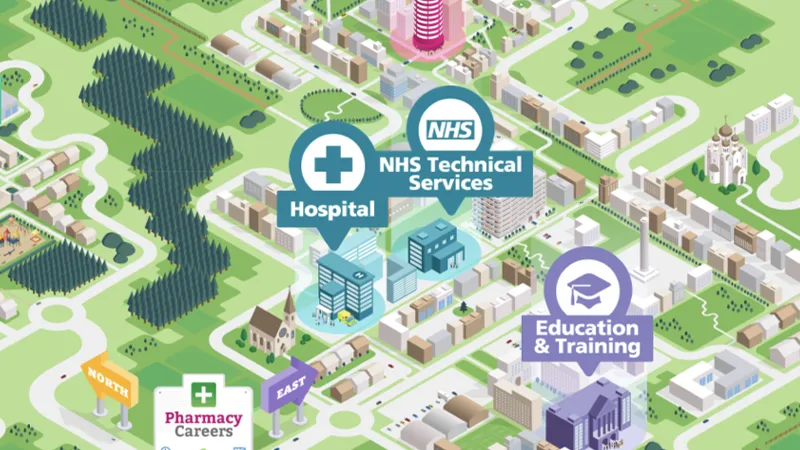
Students, graduates and apprentices make decisions visually and on their phones. An interactive map on the stand beats a table of leaflets every time.
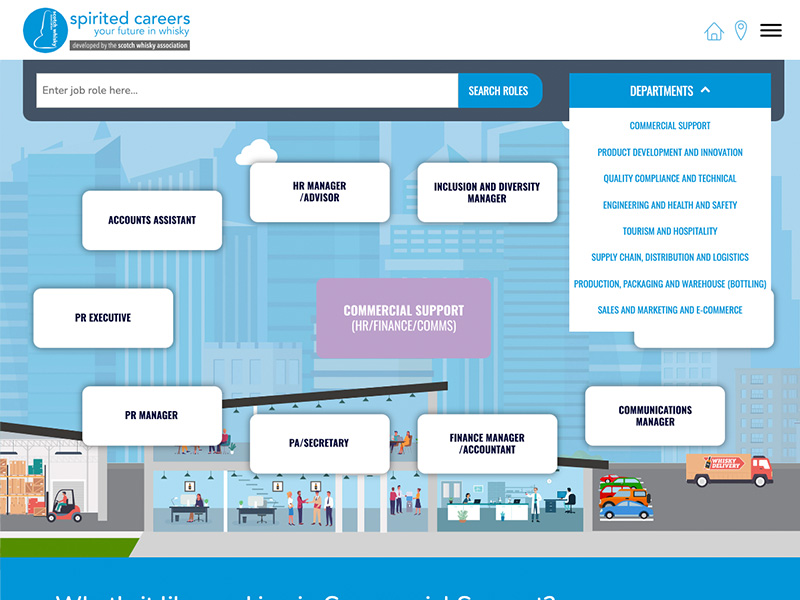
Launch “what else could you do here?” around a pathways visualisation and help employees discover moves nobody had suggested.

Give your most misunderstood jobs the context and explanation they have never had from a title or vacancy listing.
Present a whole industry's routes to the next generation through one compelling interactive experience.
Not a marketing one-off that drifts out of date.
Your maps and explorers are built from the same roles, skills and pathways your organisation actually maintains — the same structure Career Visibility Software uses. Build it once and it's there for everything that comes after.
Two ways in. Choose your path
Standard package
A standard package, priced and published. An interactive careers map, or up to seven animated departmental scenes. Setup £750 + VAT until 31 December 2026, then £1,500. Monthly £350 + VAT alongside a CareerPaths careers website, or £450 + VAT standalone. Hosting, support, maintenance, mobile-friendly delivery and checked against WCAG 2.2 AA. 24-month minimum term.
Or something built for your sector
Or something built for your sector. Quizzes, self-assessments, calculators, competency explorers, a full career navigator — scoped and quoted for what it actually is.
We don't publish a single figure for bespoke projects because there isn't an honest one. What we will do is tell you what yours costs, and how we got there, without you having to commit to anything first.
What we're building next
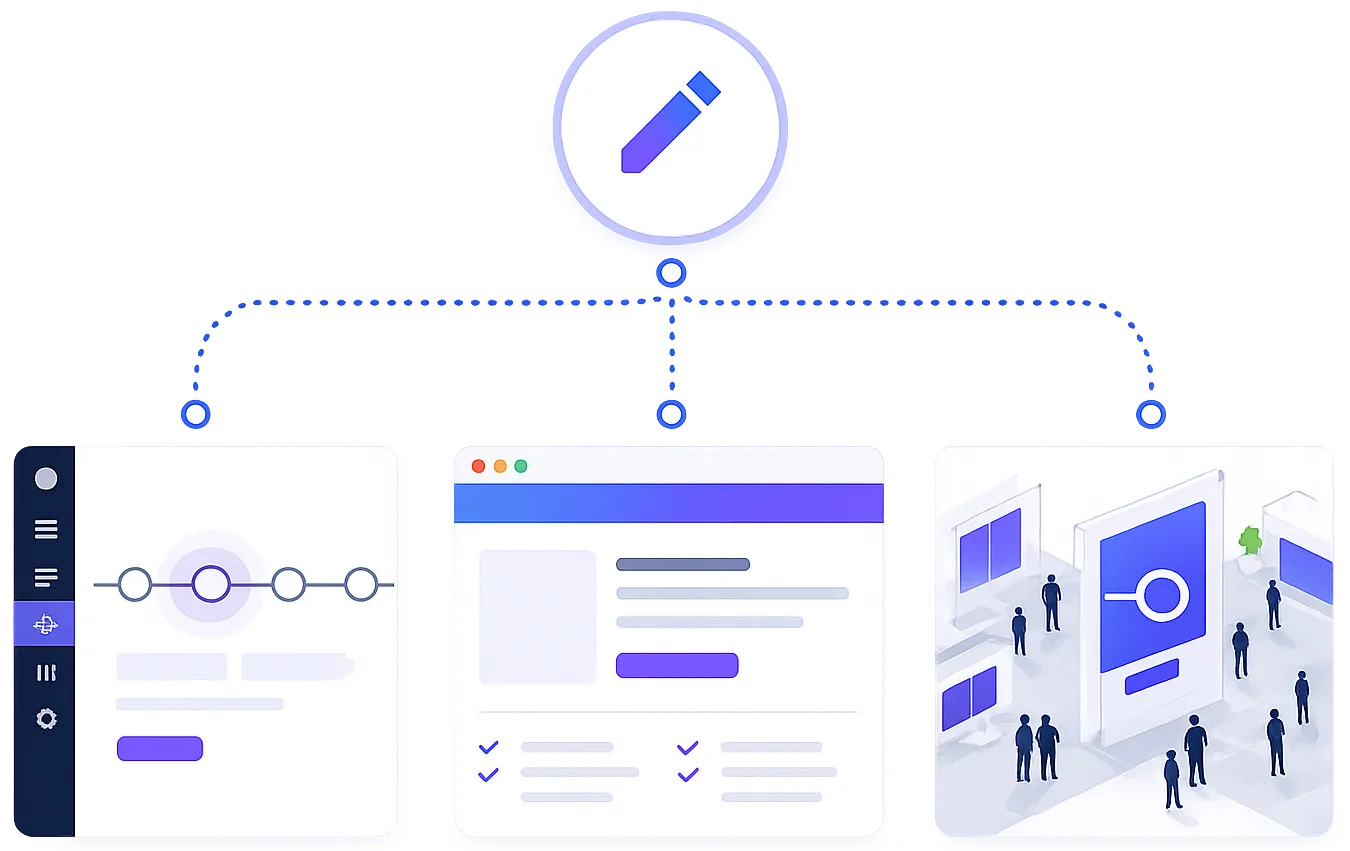
Change a role once and see every connected tool update, rather than maintaining it in more than one place.

Run Cath on your own AI provider under your own licence keys, rather than ours.